
Before the first line of dialogue, the audience needed to already feel it in their stomach. So instead of animating unease, we made it by hand, with ink, scanners, and a lot of things going wrong on purpose.
Reencarne is a show about something coming back different than it left — so the opening needed to feel handmade and a little wrong, like it had been through something. We didn't want to fake that with a filter. We wanted to actually put every frame through it.
The brief asked for atmosphere without spoilers: tension the audience feels before they understand why. Our answer wasn't more polish. It was less of it — printing frames out, running them through scanners, drawing on them, and scanning them back in, before a single frame reached a screen.
Title sequences for thrillers usually lean on one of two moves: moody 4K cinematography, or an ominous logo sting. Neither actually tells you something is wrong, it tells you the budget existed. We needed something that felt physically off before viewers could explain why.
We showed Globoplay six directions, from polished cinematic realism to deliberately ruined textures. They picked the version furthest from clean. Correctly.
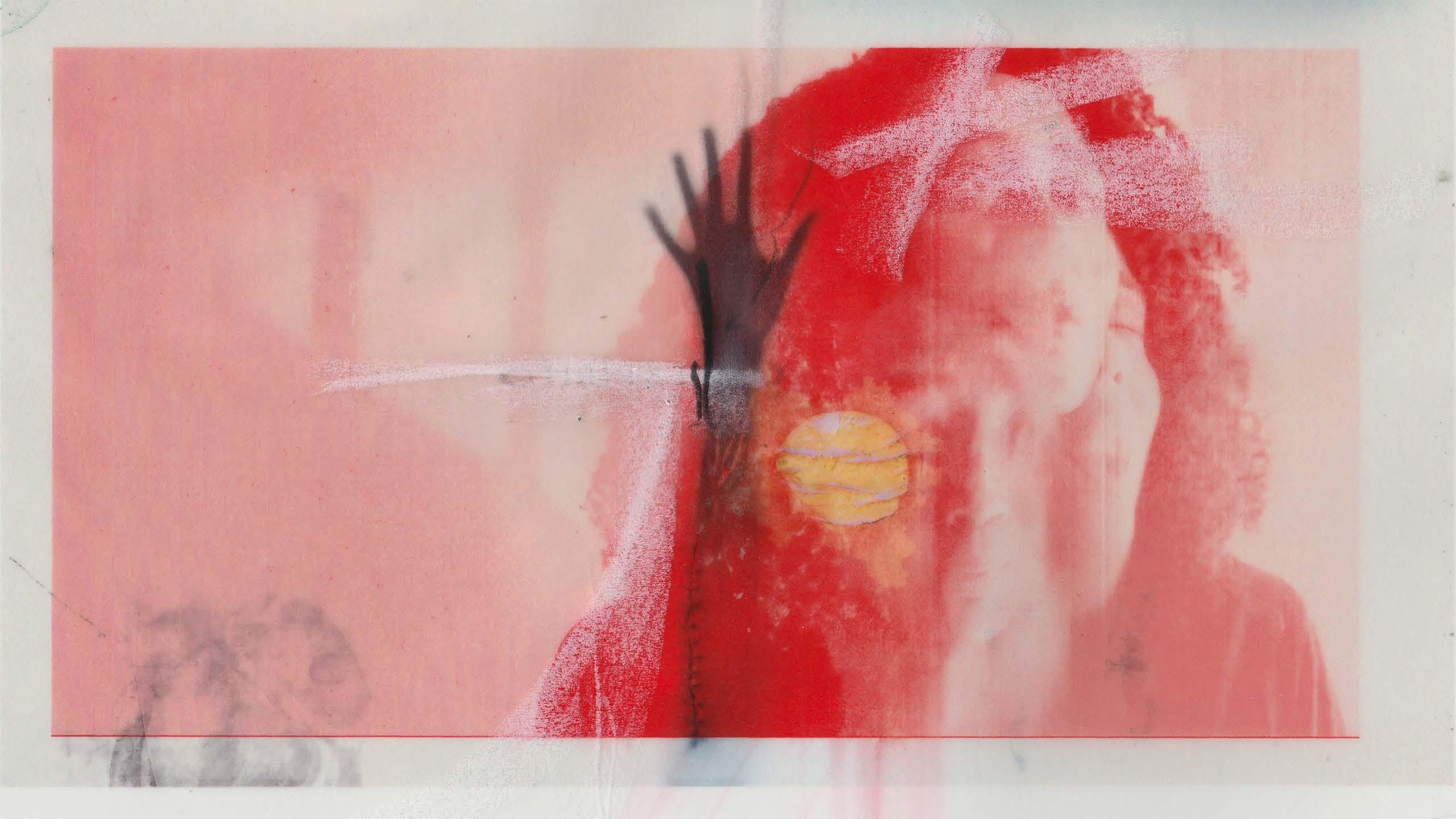
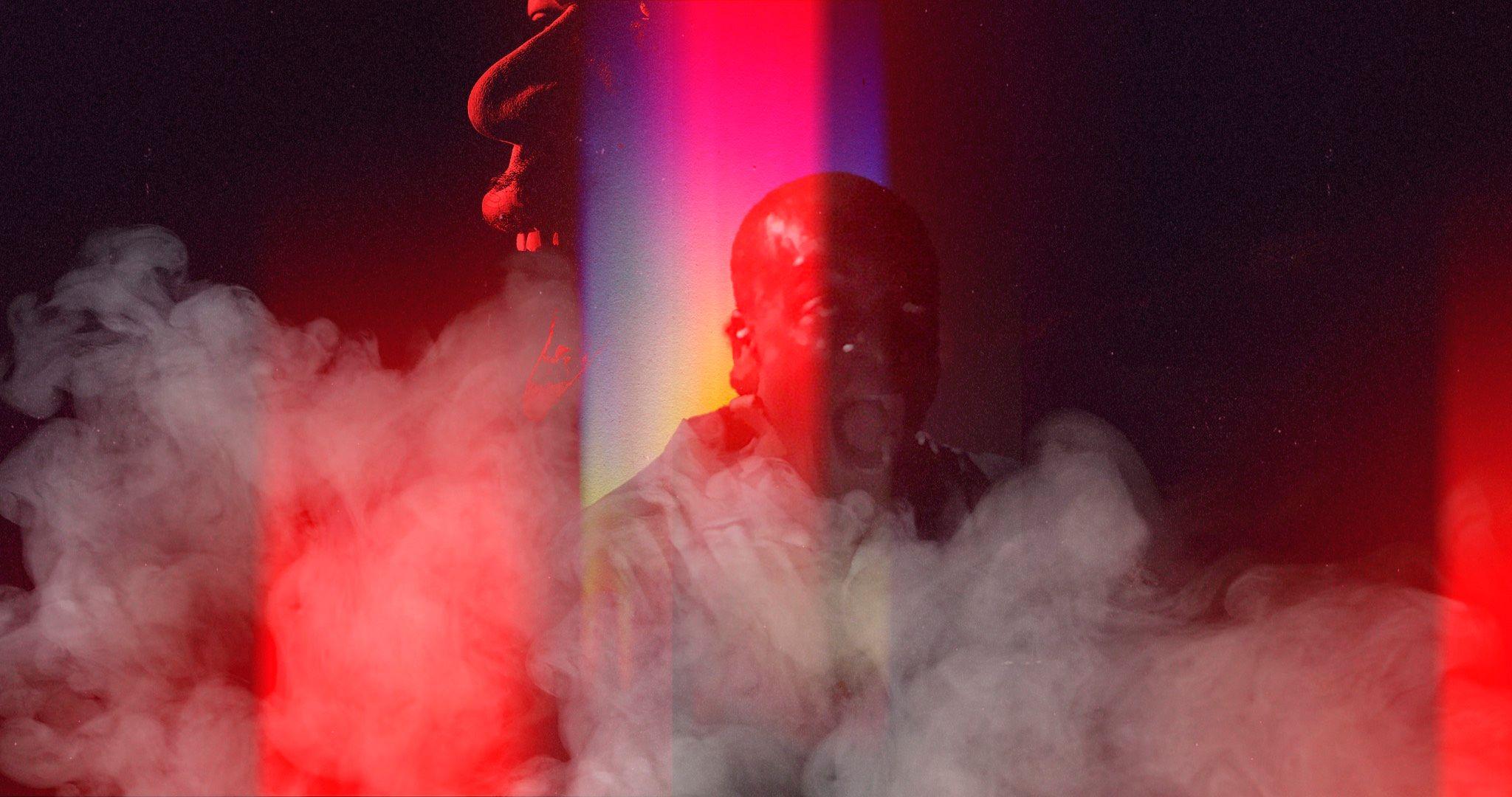
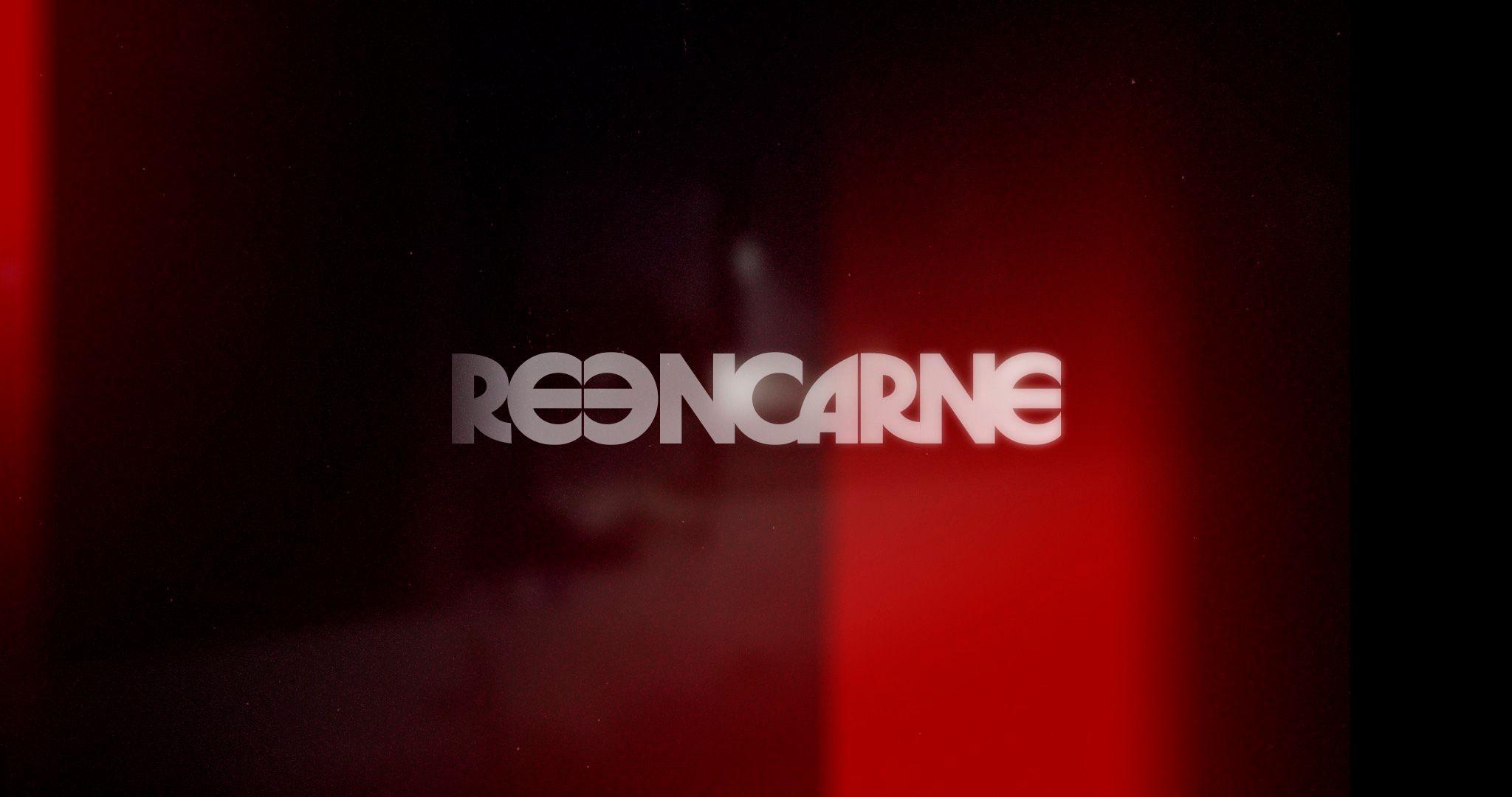
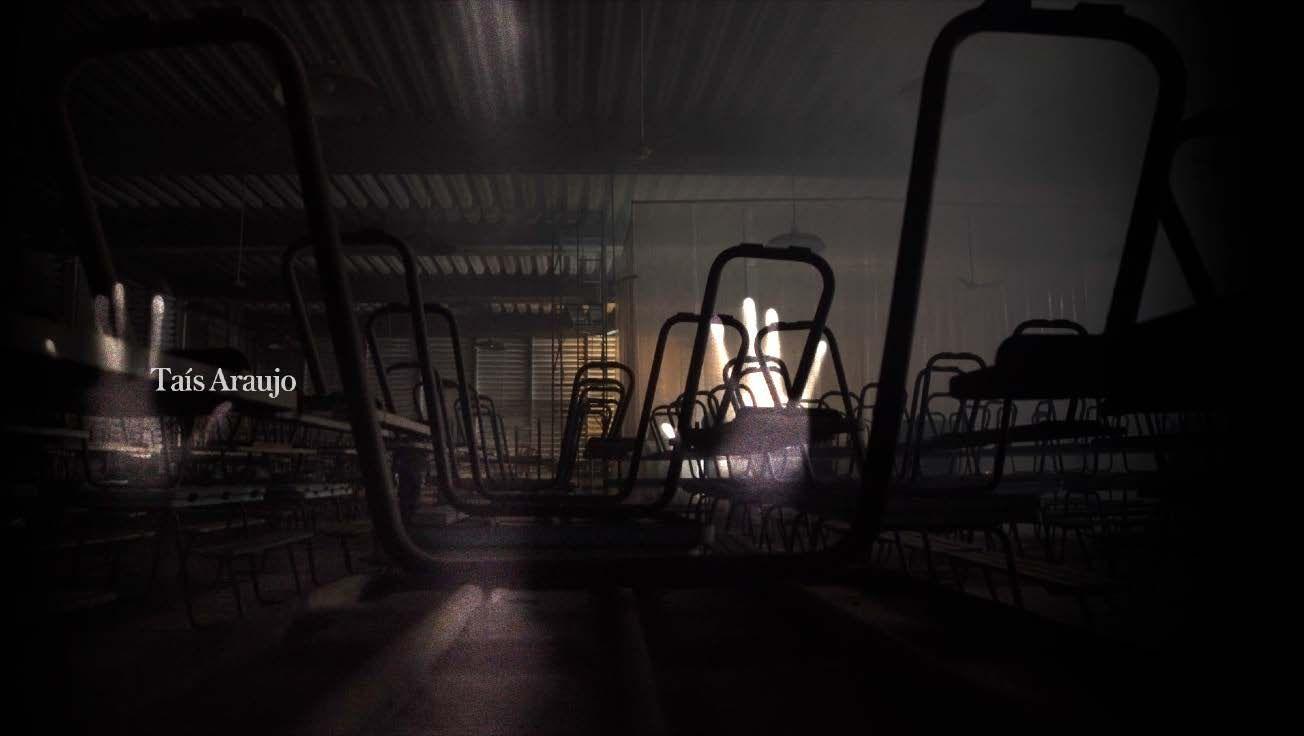
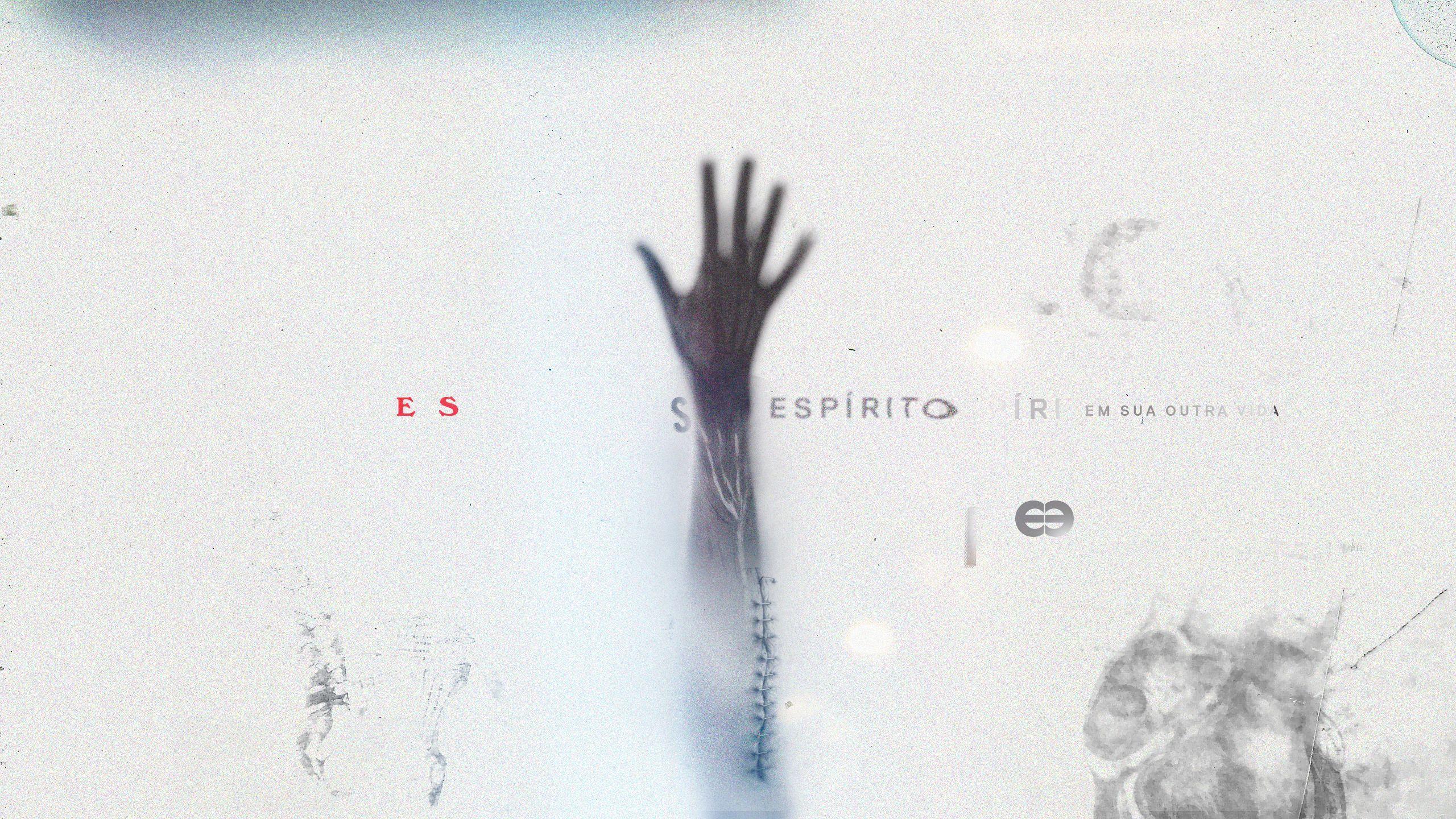
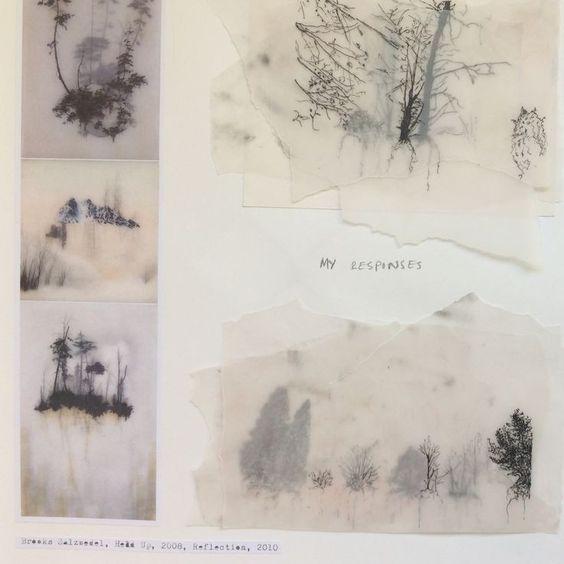
The idea we kept coming back to: physical interference. Instead of designing "damage" digitally, we printed frames out and actually damaged them by scanning them, smudging them, drawing over them, running them through the scanner again mid-scan so the machine itself glitched.
Each frame went through its own small cycle of destruction and reconstruction before it was allowed back into the sequence. The texture you see isn't a filter. It's a fingerprint. Literally, in a few cases.
At Intermitente, we believe a little bit of horror once in a while is good for the soul. Especially when it allows for such a raw, experimental creative process.
— Leon Vilhena, Creative Director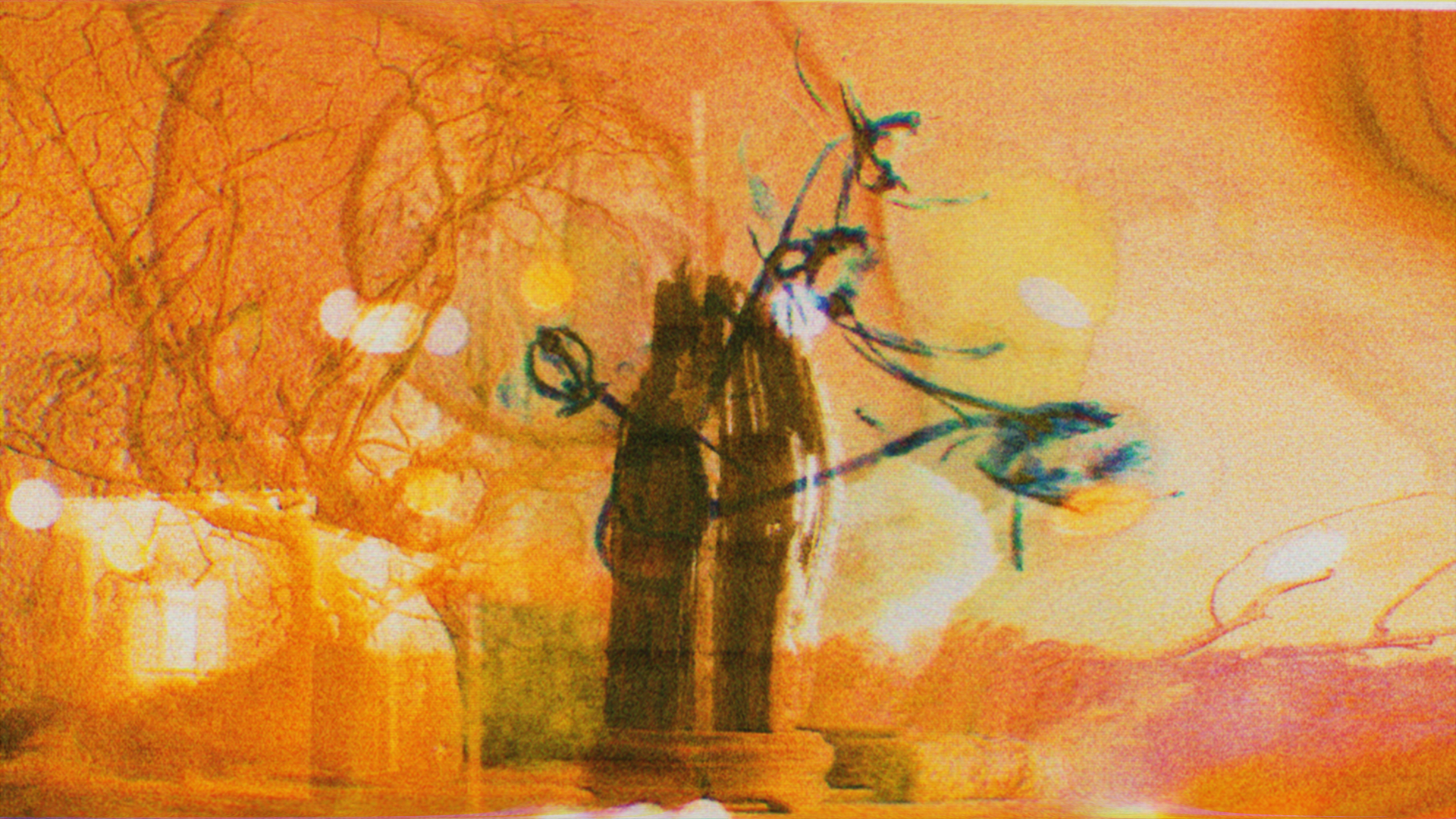
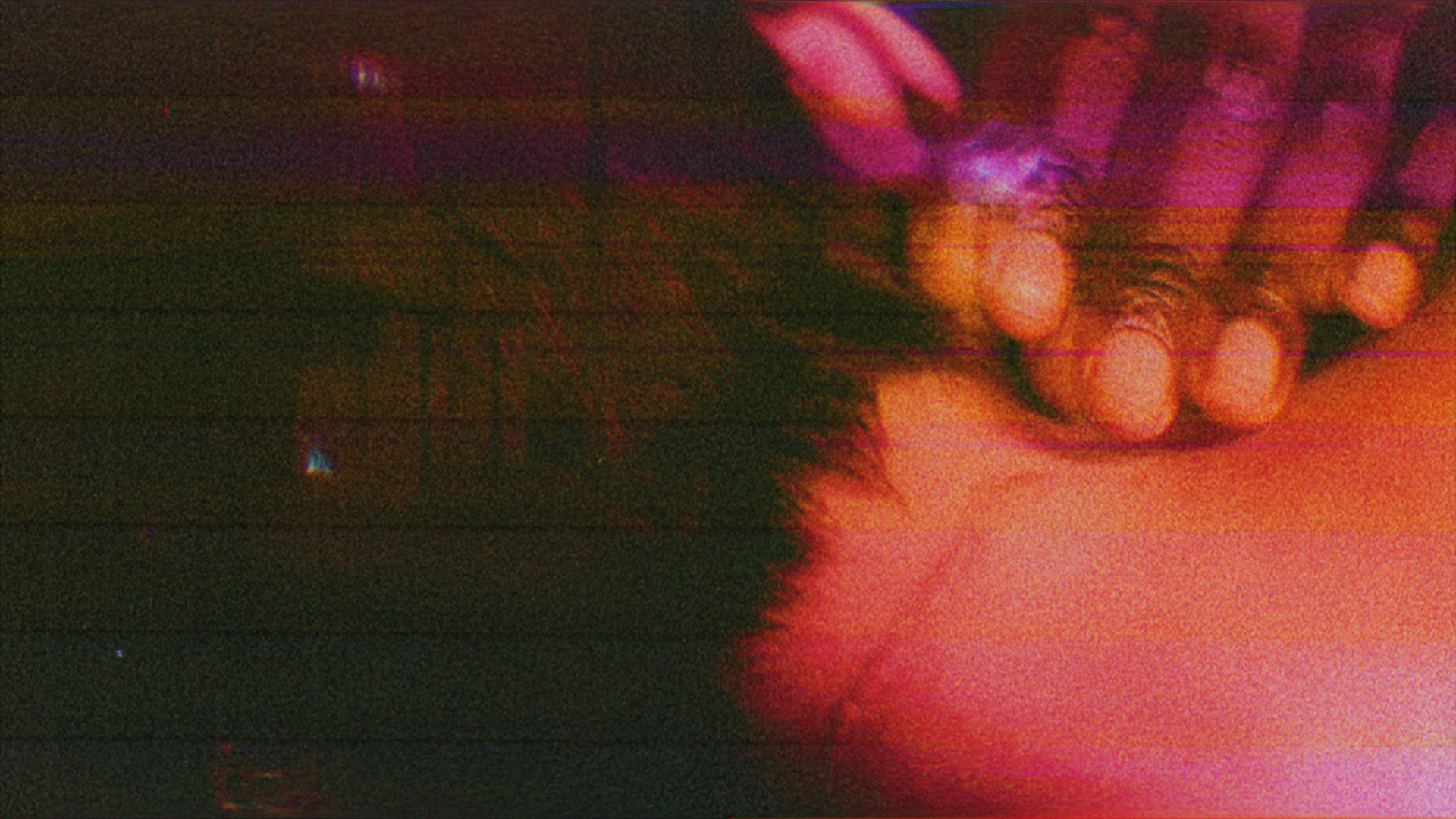
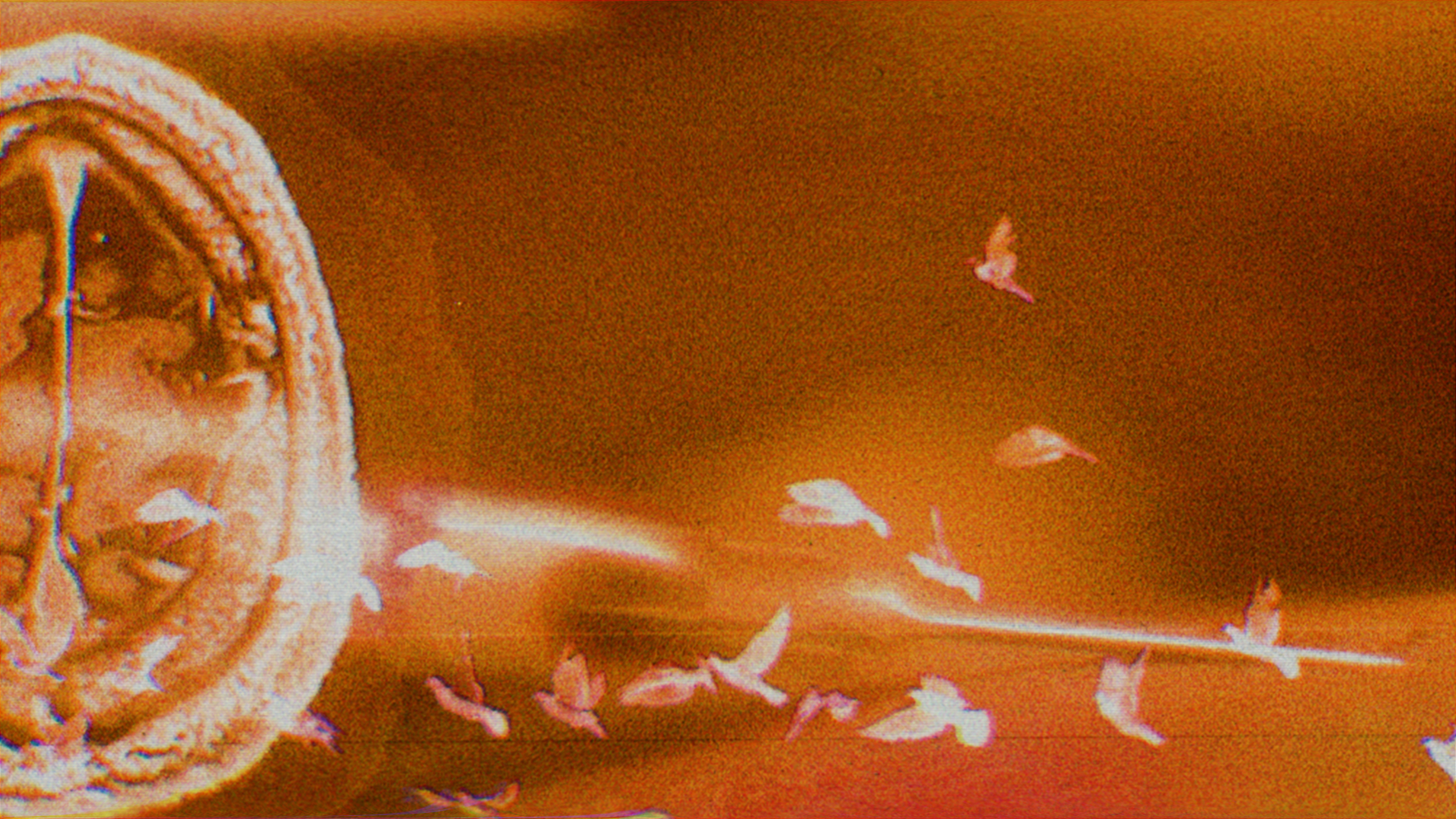
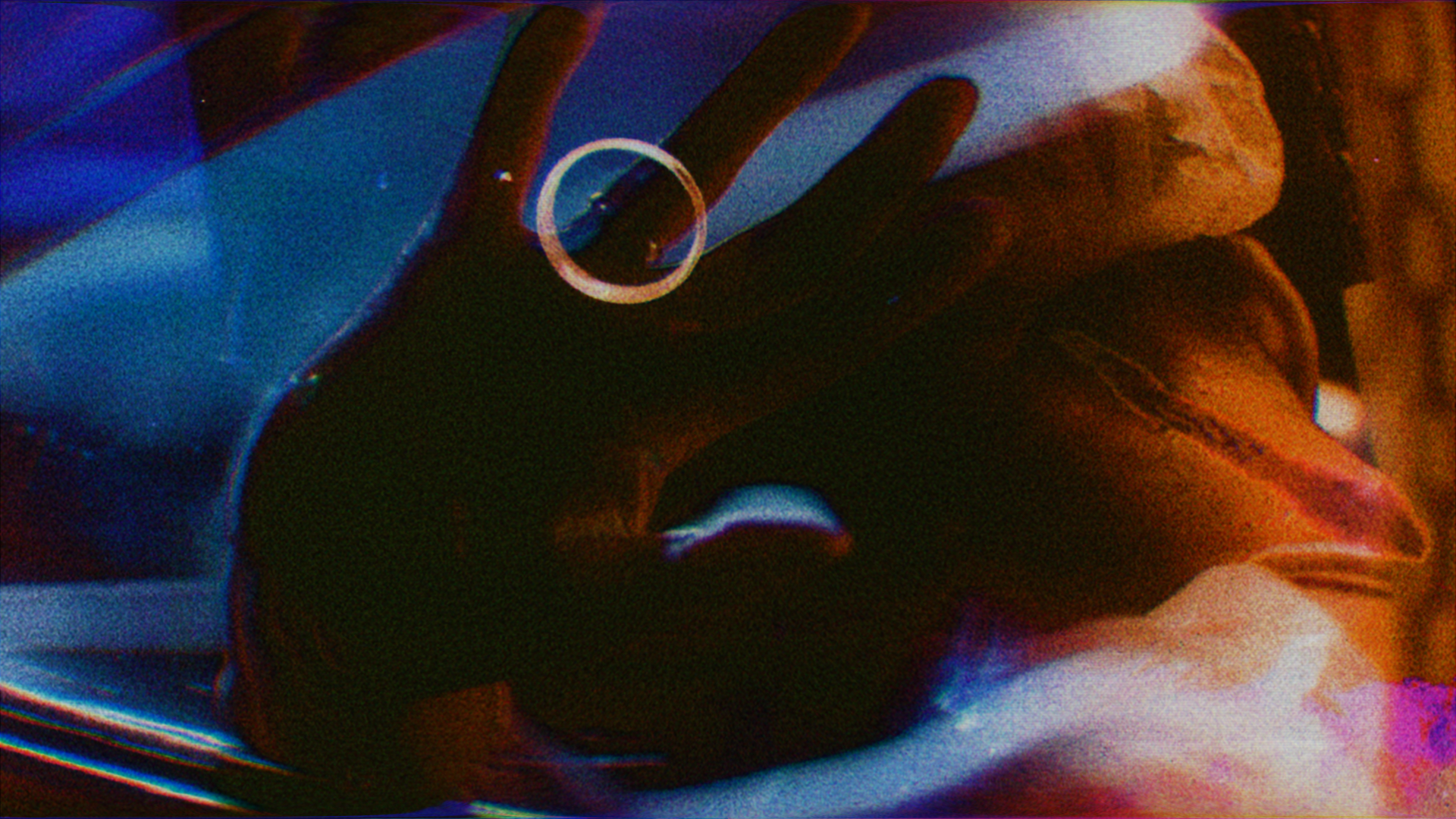
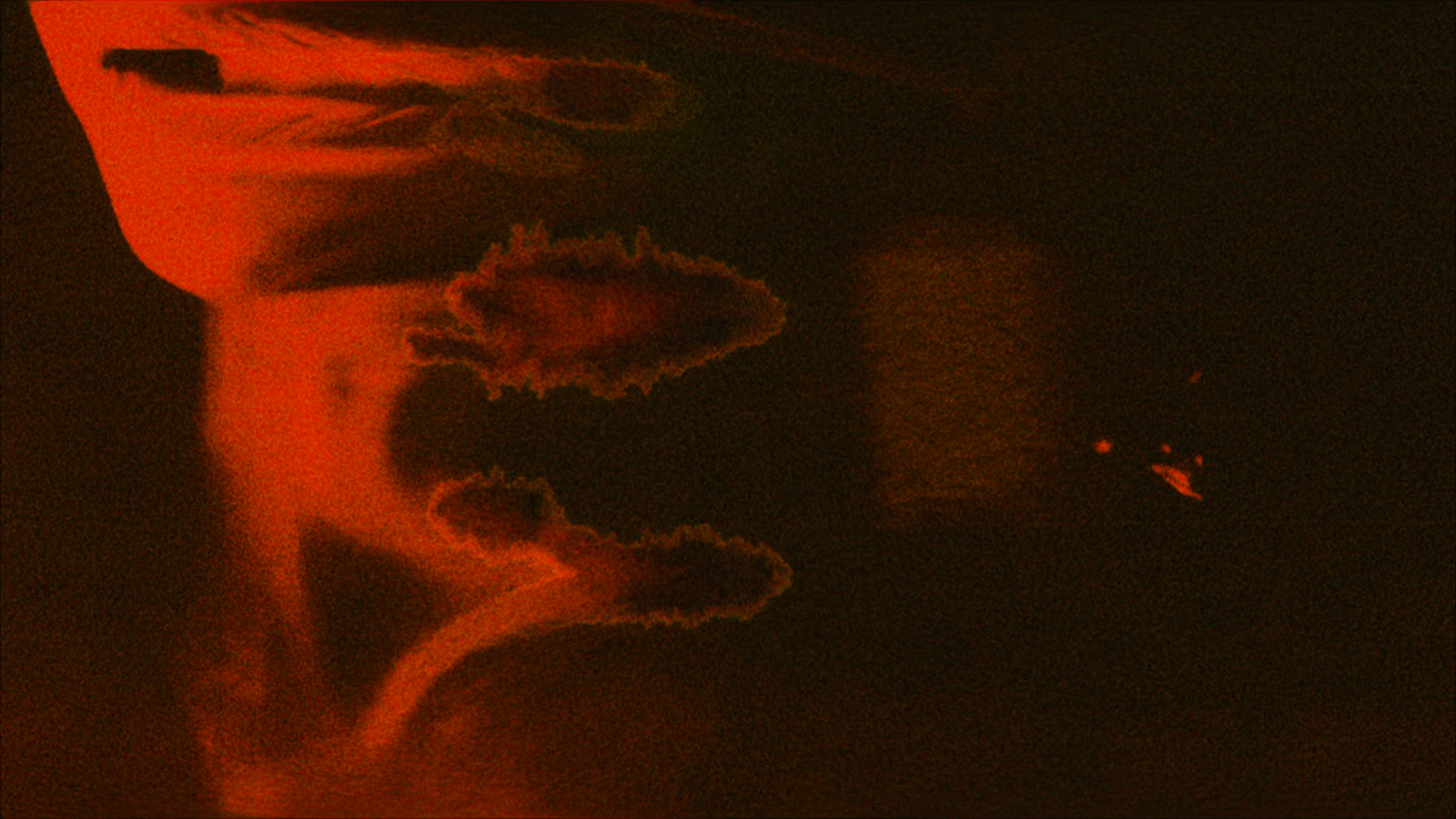
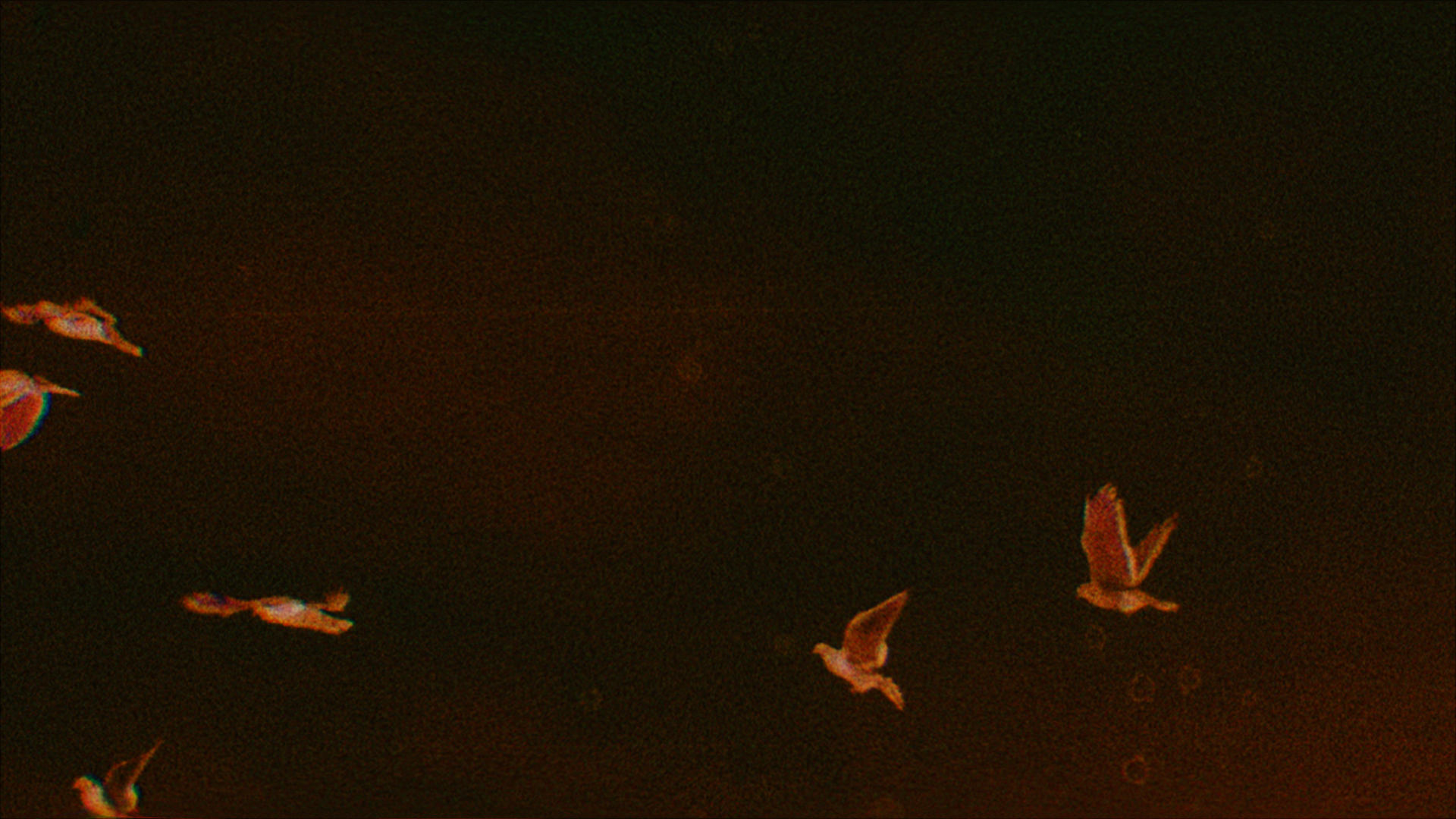
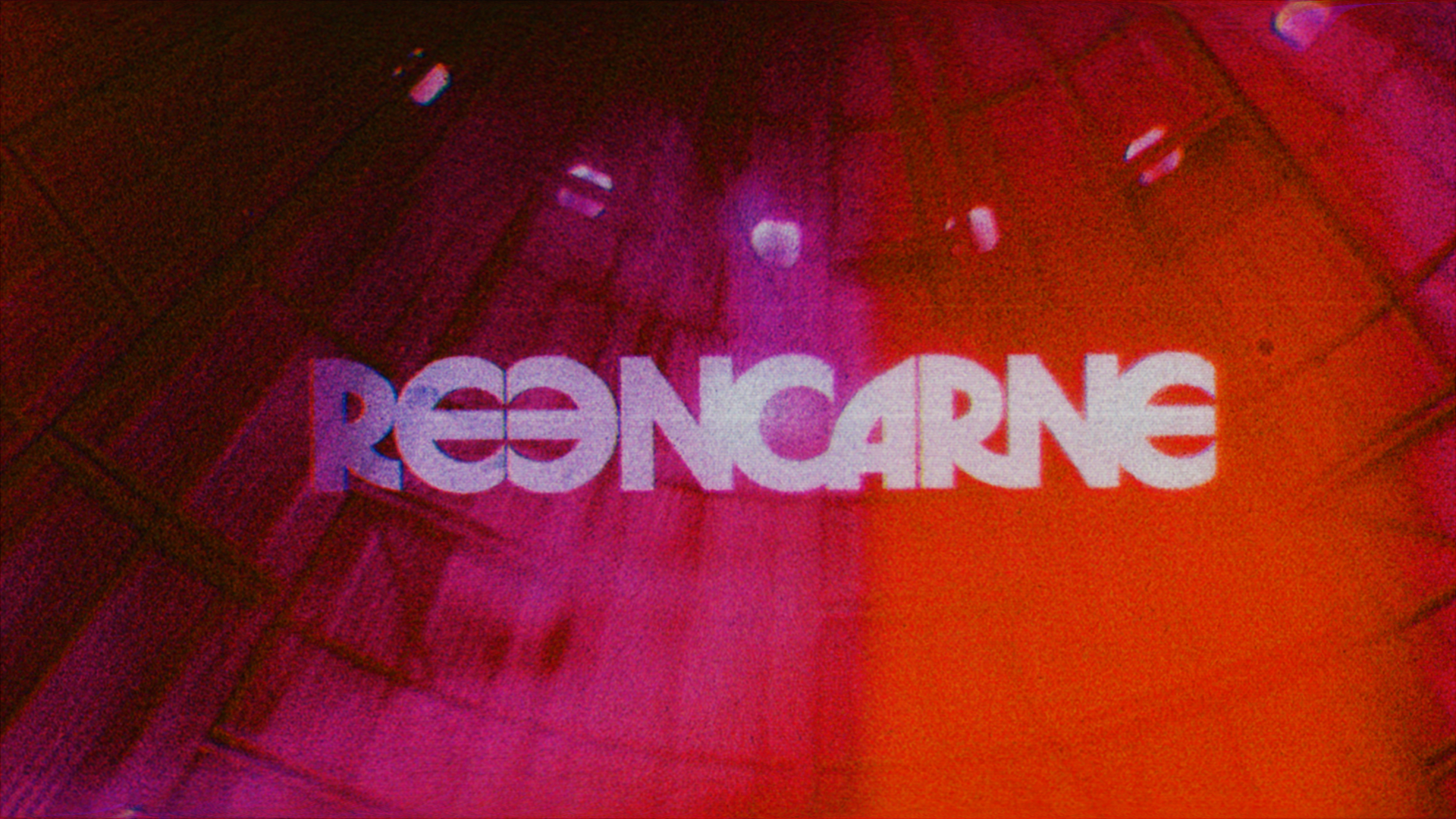
We built a spectrum of six directions, from crisp 4K realism all the way to intentionally wrecked textures, and let Globoplay pick exactly how much friction the story needed. They went as far from clean as the range allowed.
Frames were printed out, textured by hand, and fed through scanners we treated less like office equipment and more like cameras — interrupting the scan mid-pass on purpose, so the machine itself introduced glitches no software plug-in could fake.
Every hand-made imperfection was re-synced to the sequence's pacing, frame by frame, so the final piece reads as one continuous object: modern enough to broadcast, rough enough to feel like something you weren't supposed to find.
Want to work with us? Get in touch at inquire@intermitente.co